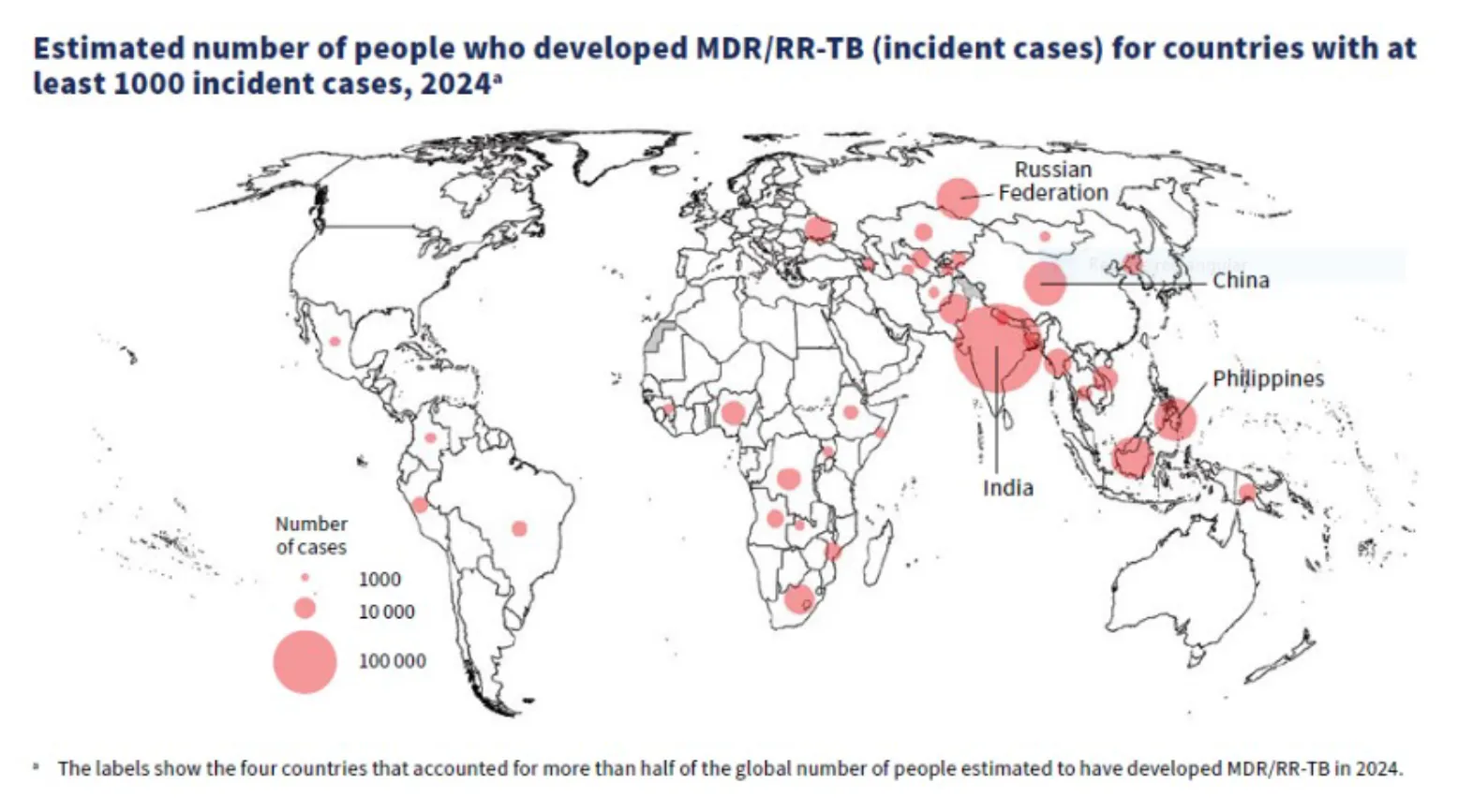
Tuberculosis (TB) continues to be one of the world’s deadliest infectious diseases, affecting an estimated 10.7 million people and causing more than 1.2 million deaths in 2024. Although antibiotic therapy can cure most patients, treatment remains lengthy and challenging, particularly in drug-resistant TB. These limitations have driven the development of therapeutic vaccines, a novel approach designed to work alongside standard antibiotic treatment by stimulating the patient’s immune system to better control and eliminate residual infection.
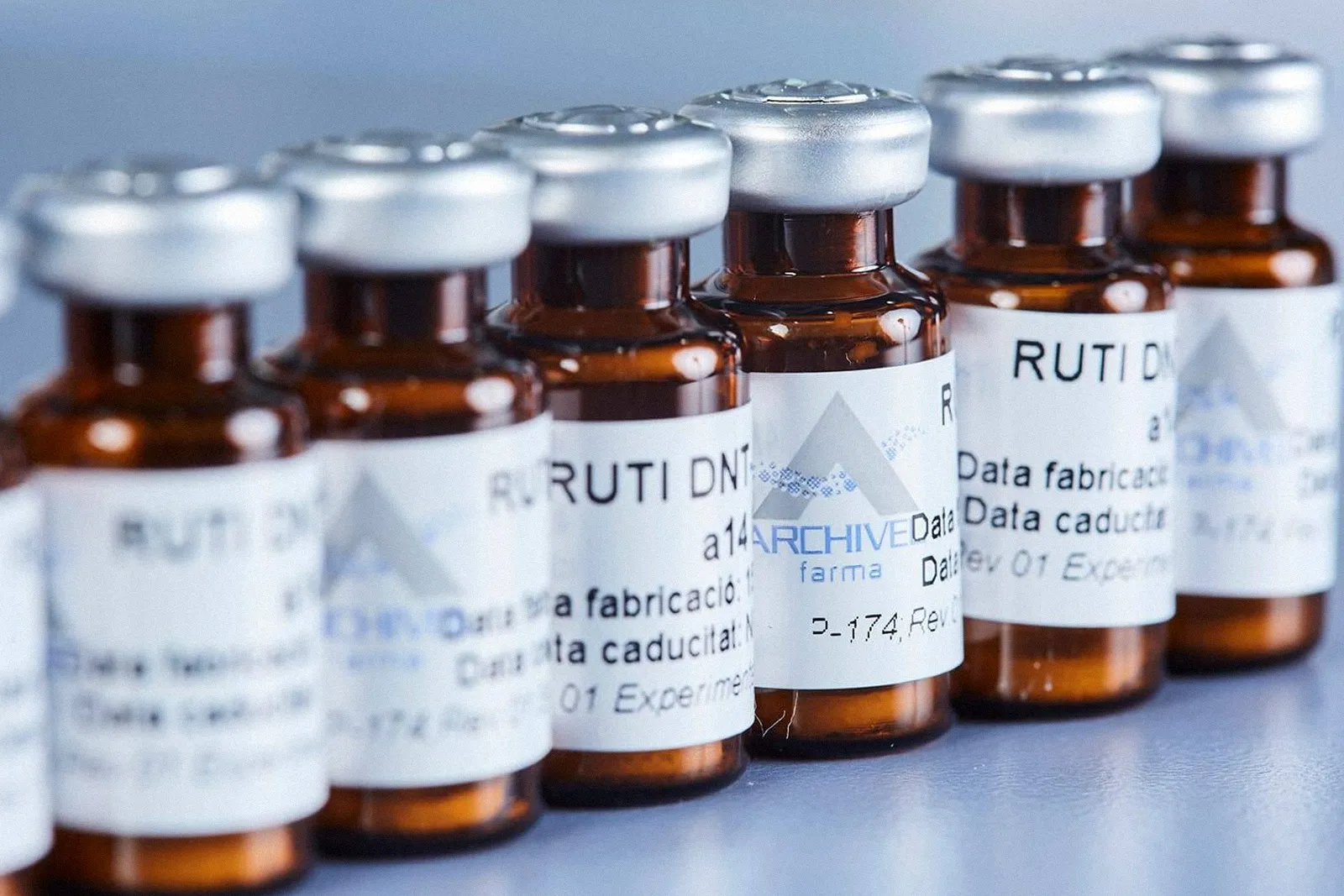
In collaboration with the Germans Trias i Pujol Research Institute (IGTP) and the Germans Trias i Pujol University Hospital, Archivel Farma has developed RUTI®, a poly-antigenic vaccine aimed at the treatment of active, multidrug-resistant and latent tuberculosis since 2005.
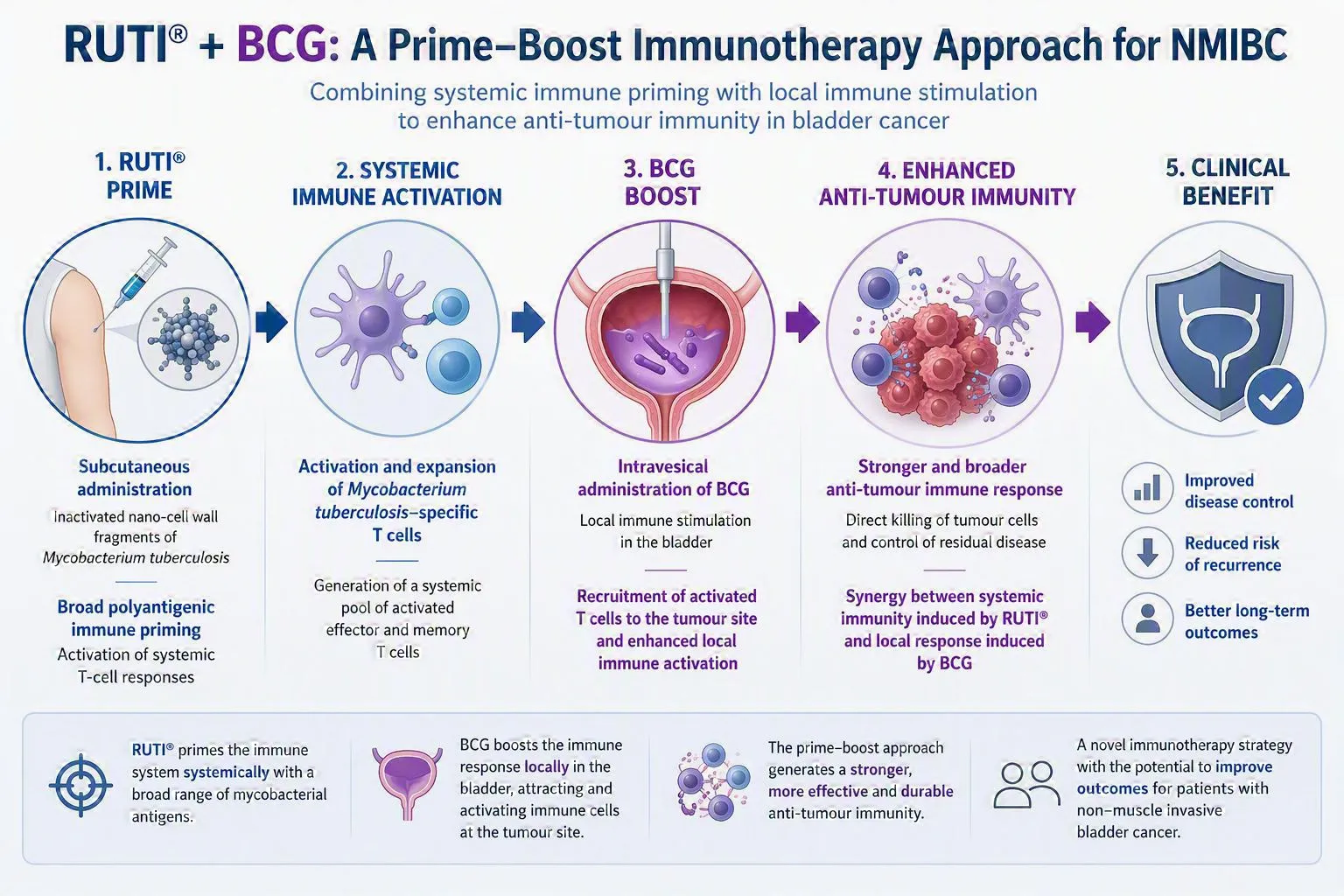
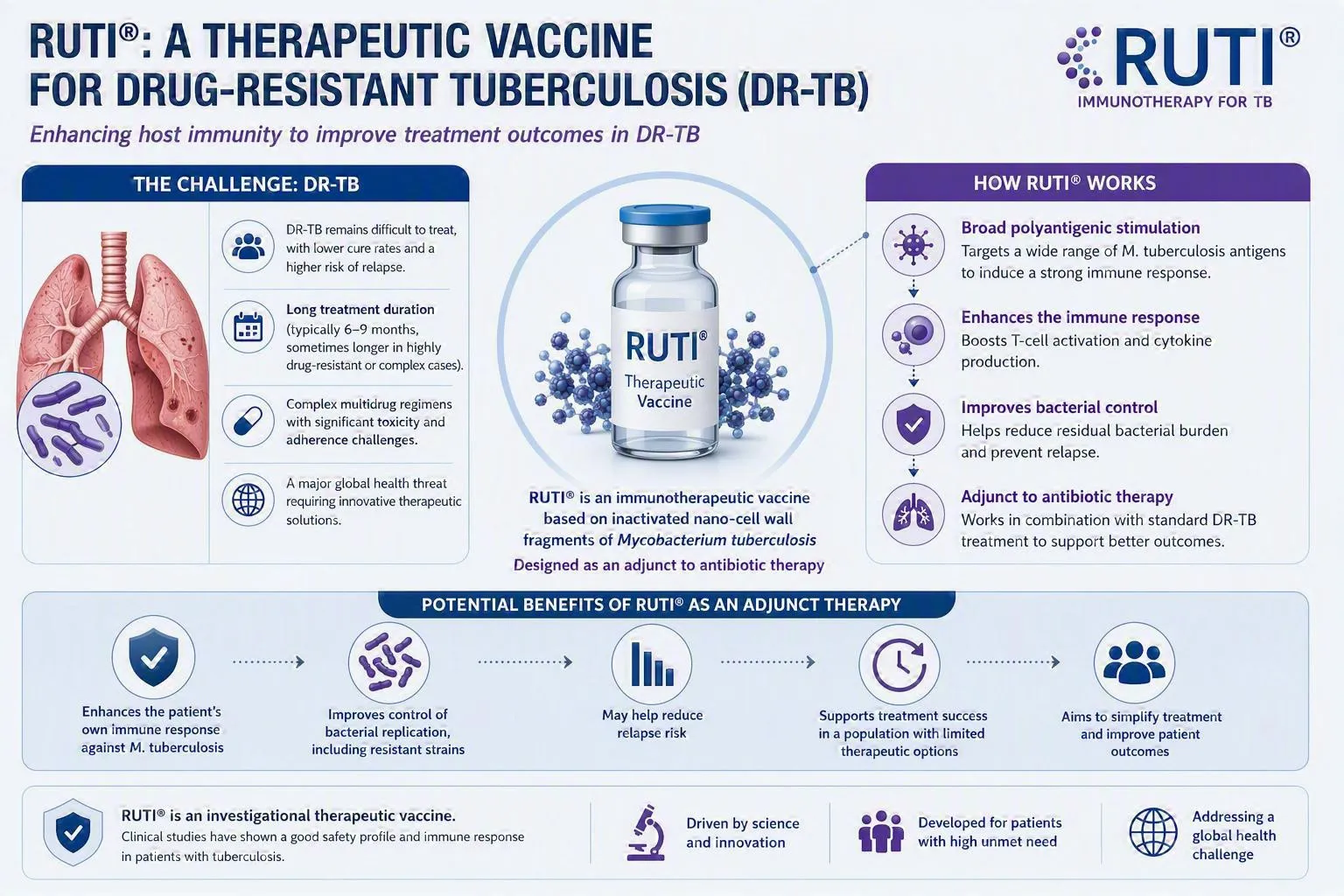
RUTI® is an innovative immunotherapeutic vaccine originally developed by Archivel Farma to improve the treatment of tuberculosis (TB). Designed as an adjunct to antibiotic therapy, RUTI® aims to enhance the patient’s immune response against Mycobacterium tuberculosis, helping to reduce the residual bacterial burden, shorten the duration of treatment and potentially lower the risk of relapse.
The vaccine is based on inactivated cell-wall nanofragments of M. tuberculosis containing a broad spectrum of antigens, capable of inducing a strong polyantigenic immune response.
RUTI® was initially developed to prevent the progression of latent tuberculosis infection (LTBI) to active pulmonary TB. In Phase I and Phase II clinical studies, the vaccine demonstrated a favourable safety and tolerability profile, together with the ability to induce specific immune responses in a dose-dependent manner.
In 2016, the development strategy was redirected towards the use of RUTI® as a therapeutic vaccine administered alongside anti-tuberculosis treatment. The objective was to enhance treatment outcomes and potentially shorten or simplify antibiotic regimens, particularly in patients with drug-resistant TB. RUTI® has subsequently been evaluated in a Phase IIa study in Ukraine and in Phase IIb proof-of-concept clinical trials conducted in Argentina and India.
At present, the tuberculosis development programme is on hold pending a comprehensive assessment of the clinical data generated to date and the definition of the most appropriate strategy for future development.